2D Barcode Readiness: It’s More Than the Barcode

What if your business is ready for 2D barcodes, but your infrastructure isn’t?

The transition from 1D to 2D barcode is often discussed in terms of the barcode itself: what data can it carry, how it can support traceability, and how it can enable access to richer product information.
But in practice, that is only one part of 2D readiness because a 2D barcode can only do its job if the system around it is ready to interpret it.

For a 2D barcode to work effectively, the scanners, systems and operational processes around it must also be able to support it.

For GS1 Singapore members, this means looking beyond the printed symbol and considering where barcodes are being scanned today, what devices are being used and if these touchpoints are ready for wider 2D adoption.

The Barcode is only one part of the journey

Barcode scanning already supports many everyday operations, including price verifications, self-service, store entry, ticketing and check-in but as 2D barcode becomes more widely adopted, these current existing touchpoints will also need to keep up with the pace.
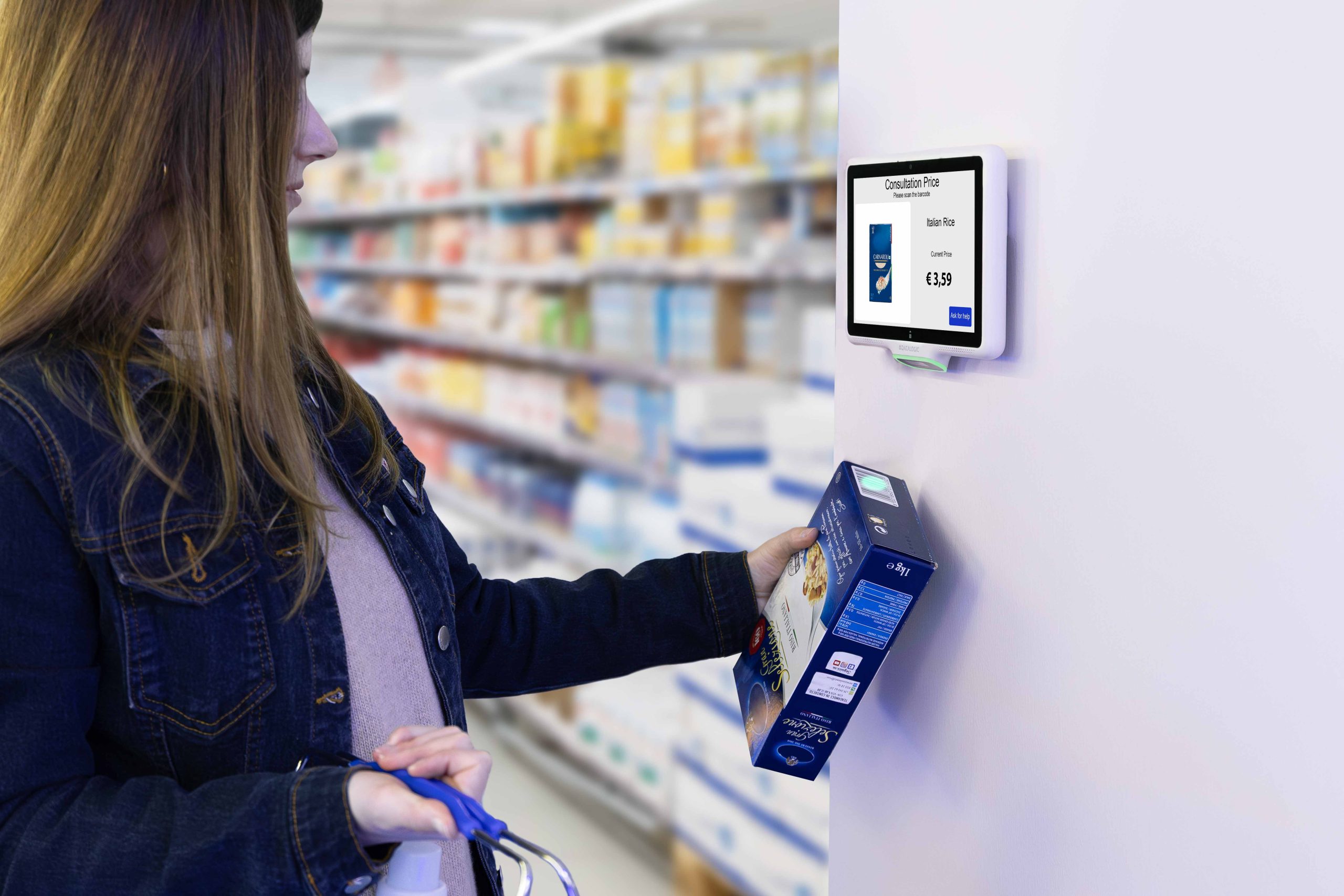
A woman scanning a product with Smart portal

Though a 2D barcode can carry more structured data than a traditional 1D barcode, additional information can only be useful if the receiving device and system are able to capture and process it correctly.

This is where operational readiness becomes critical and businesses should consider whether their current scanning infrastructure can read the 2D barcodes they intend to use, and whether their backend systems are able to handle the data carried within them.

Bringing GS1 standards into day-to-day operations

GS1 standards provide a common way for businesses to identify products and structure information. Technology providers then help turn those standards into practical applications.

Datalogic, a GS1 Singapore Solution Partner, recently introduced its Smart Portal for self-service scanning environment.
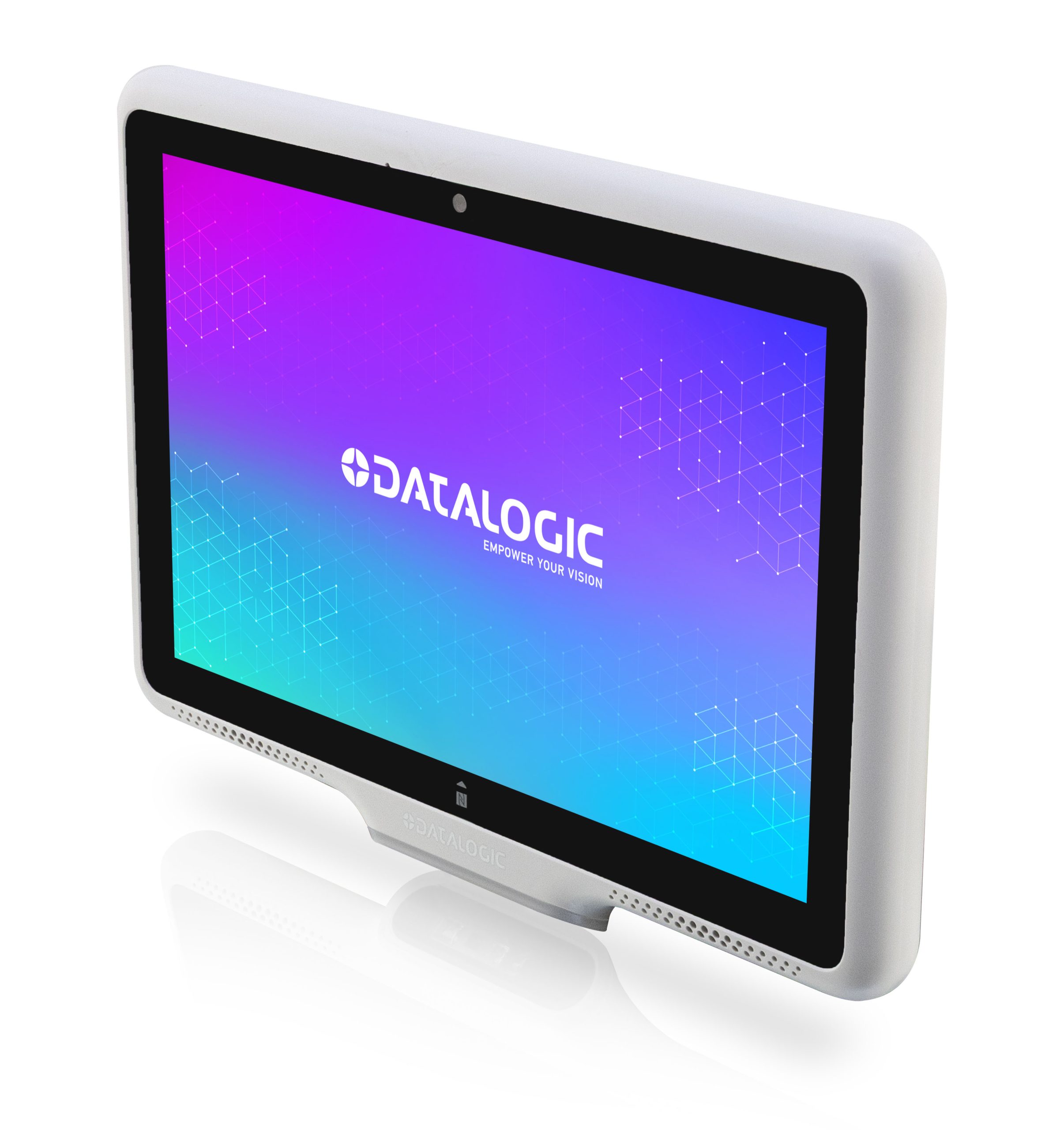
Image of Datalogic's SmartPortal

The Smart Portal comes with an integrated 2D imager and a 25-degree tilted scan engine to support barcode capture. Its Green Spot feedback gives users visual confirmation when a barcode has been successfully scanned.

In practical setting, this can support applications such as store entry, price verifications, ticketing and check-in.
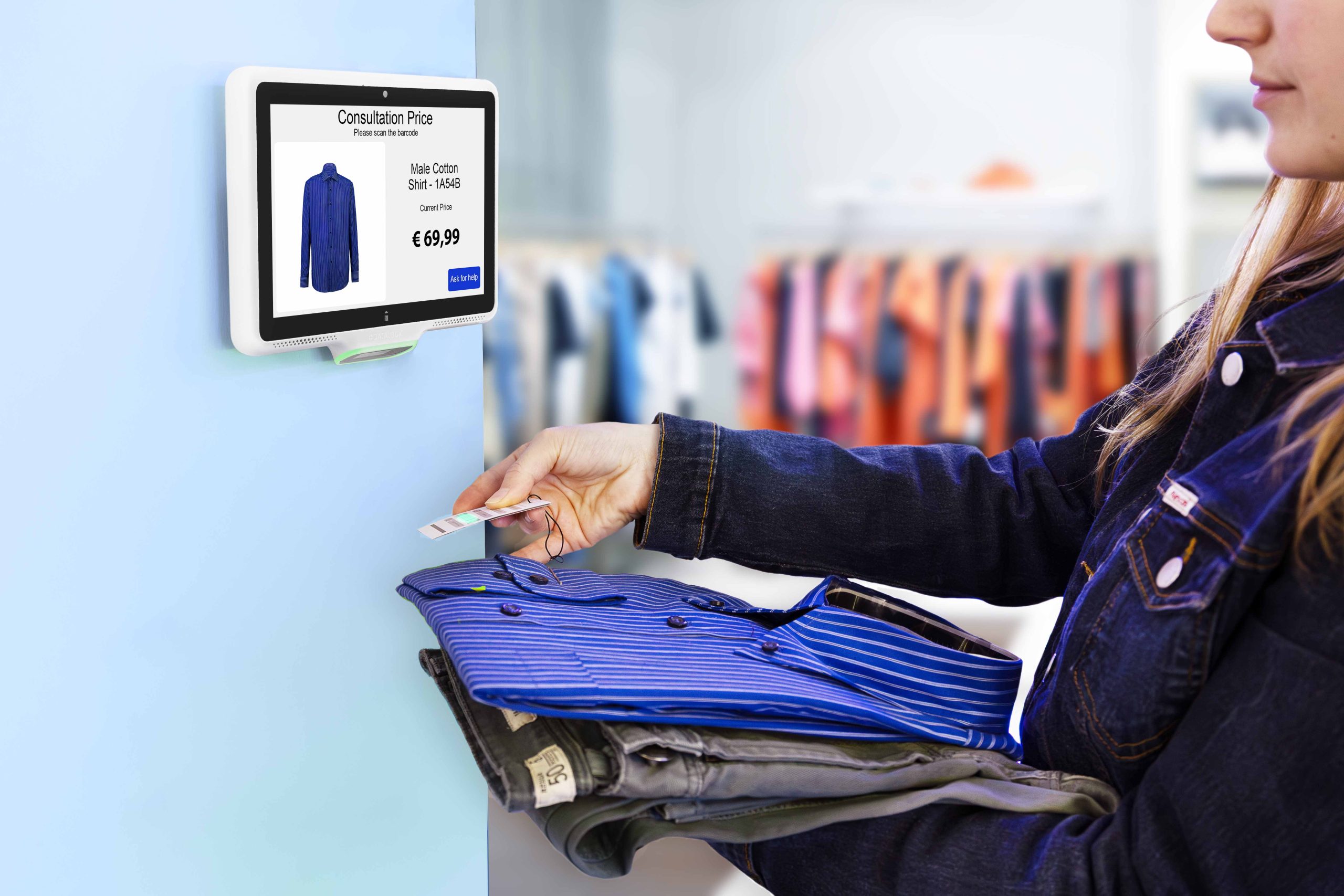
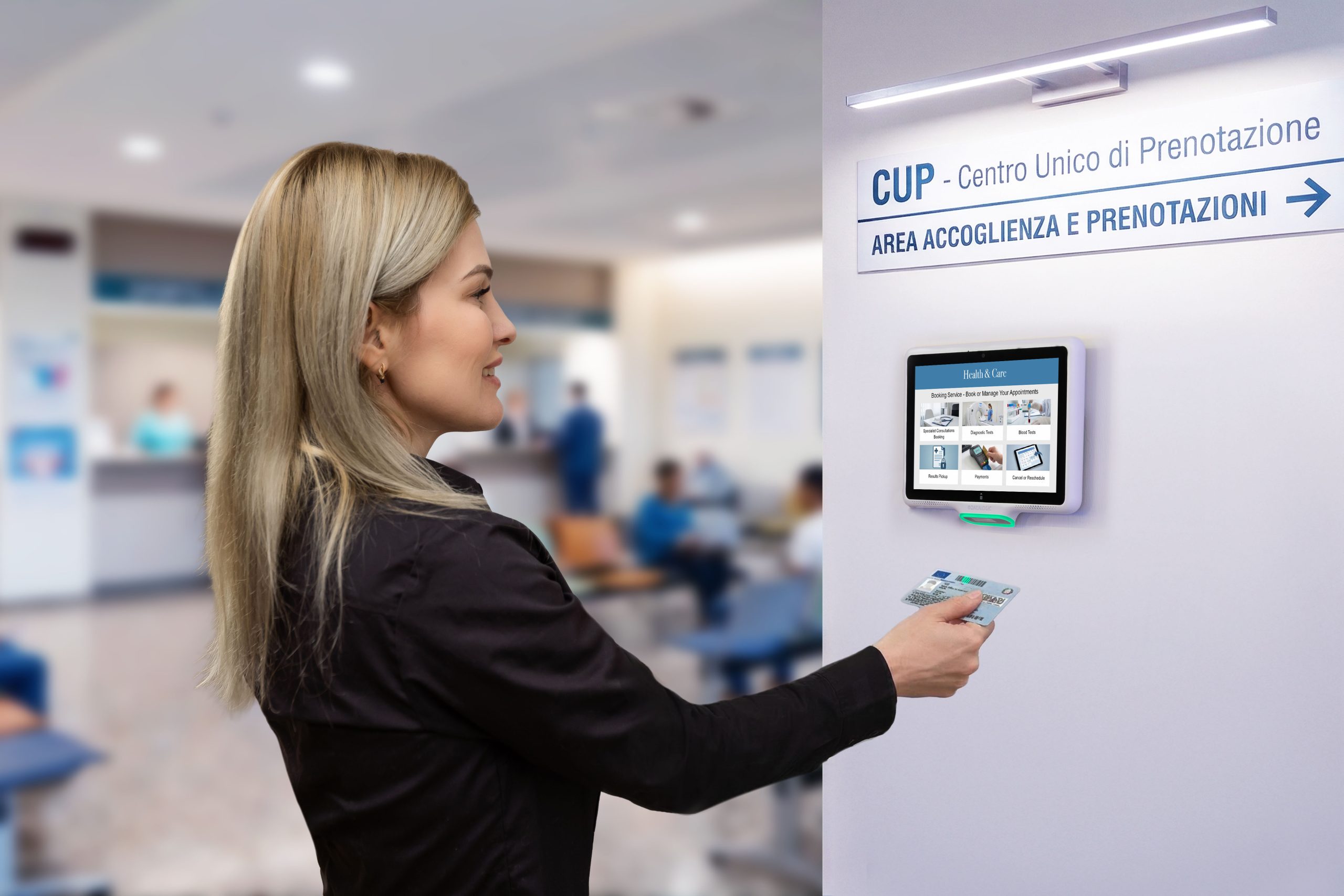
 

These may be simple operational touchpoints, but they show why the infrastructure around the barcode matters. If the scanning experiences are slow or inconsistent, it can lead to repeated scanning attempts, longer queues and greater reliance on manual support.

Looking beyond the individual scanner        

2D readiness is also about how scanning devices are managed and deployed.

The Datalogic Smart Portal runs on an Android platform and includes remote management capabilities, allowing devices to be managed across different locations. For businesses looking at wider 2D adoption, this also highlights another practical consideration for businesses: can the infrastructure be scaled and maintained as operational requirements grow?

The move towards 2D does not necessarily mean changing everything at once. It starts with understanding where barcodes are used today, identifying gaps in existing systems and preparing those touchpoints for what comes next.

Questions businesses should be asking

When reviewing 2D readiness, businesses may want to consider:

  1. Can your existing scanners read the 2D barcodes you intend to use?
  2. Where will these barcodes need to be scanned throughout the operation and supply chain?
  3. Will your customer or employee be able to scan them easily?
  4. Can the adopted infrastructure be managed and scaled across multiple locations?

Because the move towards 2D is not just a simple change in barcode formatting, it’s a change that affects the wider ecosystem around the barcode.

For GS1 Singapore members, getting ready for 2D means looking at both sides of the equation: the barcode itself, and the infrastructure needed to make it work in practice.


What if your business is ready for 2D barcodes, but your infrastructure isn’t?

The transition from 1D to 2D barcode is often discussed in terms of the barcode itself: what data can it carry, how it can support traceability, and how it can enable access to richer product information.
But in practice, that is only one part of 2D readiness because a 2D barcode can only do its job if the system around it is ready to interpret it.

For a 2D barcode to work effectively, the scanners, systems and operational processes around it must also be able to support it.

For GS1 Singapore members, this means looking beyond the printed symbol and considering where barcodes are being scanned today, what devices are being used and if these touchpoints are ready for wider 2D adoption.

The Barcode is only one part of the journey

Barcode scanning already supports many everyday operations, including price verifications, self-service, store entry, ticketing and check-in but as 2D barcode becomes more widely adopted, these current existing touchpoints will also need to keep up with the pace.

A woman scanning a product with Smart portal

Though a 2D barcode can carry more structured data than a traditional 1D barcode, additional information can only be useful if the receiving device and system are able to capture and process it correctly.

This is where operational readiness becomes critical and businesses should consider whether their current scanning infrastructure can read the 2D barcodes they intend to use, and whether their backend systems are able to handle the data carried within them.

Bringing GS1 standards into day-to-day operations

GS1 standards provide a common way for businesses to identify products and structure information. Technology providers then help turn those standards into practical applications.

Datalogic, a GS1 Singapore Solution Partner, recently introduced its Smart Portal for self-service scanning environment.

Image of Datalogic's SmartPortal

The Smart Portal comes with an integrated 2D imager and a 25-degree tilted scan engine to support barcode capture. Its Green Spot feedback gives users visual confirmation when a barcode has been successfully scanned.

In practical setting, this can support applications such as store entry, price verifications, ticketing and check-in.


These may be simple operational touchpoints, but they show why the infrastructure around the barcode matters. If the scanning experiences are slow or inconsistent, it can lead to repeated scanning attempts, longer queues and greater reliance on manual support.

Looking beyond the individual scanner        

2D readiness is also about how scanning devices are managed and deployed.

The Datalogic Smart Portal runs on an Android platform and includes remote management capabilities, allowing devices to be managed across different locations. For businesses looking at wider 2D adoption, this also highlights another practical consideration for businesses: can the infrastructure be scaled and maintained as operational requirements grow?

The move towards 2D does not necessarily mean changing everything at once. It starts with understanding where barcodes are used today, identifying gaps in existing systems and preparing those touchpoints for what comes next.

Questions businesses should be asking

When reviewing 2D readiness, businesses may want to consider:

  1. Can your existing scanners read the 2D barcodes you intend to use?
  2. Where will these barcodes need to be scanned throughout the operation and supply chain?
  3. Will your customer or employee be able to scan them easily?
  4. Can the adopted infrastructure be managed and scaled across multiple locations?

Because the move towards 2D is not just a simple change in barcode formatting, it’s a change that affects the wider ecosystem around the barcode.

For GS1 Singapore members, getting ready for 2D means looking at both sides of the equation: the barcode itself, and the infrastructure needed to make it work in practice.

Get FREE updates on GS1 Singapore, Standards Development and News!

Select your preferred industry news and check your inbox in the next 30 minutes!